
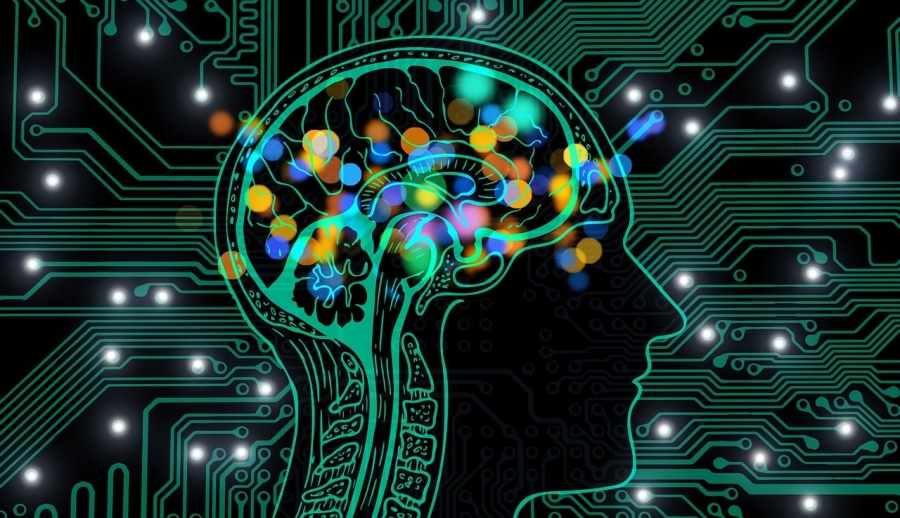
Unveiling the Power of AI in Natural Language Processing: Transforming Communication and Understanding
Introduction:
The realm of Natural Language Processing (NLP) is undergoing a monumental transformation, driven by the rapid advancements in Artificial Intelligence (AI). NLP, the field that bridges the gap between human language and computer understanding, has taken great leaps forward with AI's ability to decipher, analyze, and generate human language. In this article, we'll delve into the exciting world of AI in NLP, exploring the remarkable progress in language understanding, sentiment analysis, and text generation.
Advancements in Language Understanding:
Contextual Understanding:
AI models like BERT (Bidirectional Encoder Representations from Transformers) and GPT (Generative Pre-trained Transformer) have revolutionized language understanding. These models can grasp the nuances of context in a sentence, allowing for more accurate comprehension of language.
Named Entity Recognition:
AI-powered NER systems can identify and classify entities such as names, dates, locations, and organizations in text. This capability is invaluable for information extraction, text summarization, and search engine optimization.
Coreference Resolution:
AI algorithms can now determine which words or phrases refer to the same entity in a text. This aids in creating coherent and clear communication by resolving pronoun references and maintaining context.
Sentiment Analysis:
Emotion Detection:
AI models can analyze text to detect the emotional tone and sentiment of a piece of writing. This is utilized in customer feedback analysis, social media monitoring, and understanding public sentiment on various topics.
Fine-Grained Analysis:
AI-powered sentiment analysis is no longer limited to positive, negative, or neutral classifications. Modern models can identify more nuanced emotions like joy, anger, sadness, and surprise, leading to a more accurate understanding of sentiment.
Cross-Lingual Sentiment Analysis:
AI has transcended language barriers by enabling sentiment analysis across multiple languages. This is instrumental for businesses with a global presence, as they can understand customer sentiment in different regions.
Text Generation:
Language Generation Models:
AI has pioneered the creation of language generation models like GPT-3, capable of producing coherent and contextually relevant text. These models are used in chatbots, content creation, and even creative writing.
Automated Summarization:
AI-driven summarization algorithms can analyze lengthy texts and generate concise and coherent summaries. This is indispensable for distilling complex information and improving document accessibility.
Language Translation:
AI-powered translation models like Google Translate utilize NLP techniques to provide accurate and context-aware translations between languages. These models have significantly improved cross-cultural communication.
Conclusion:
The synergy between AI and Natural Language Processing has led to transformative breakthroughs in language understanding, sentiment analysis, and text generation. From decoding context to capturing emotions and generating human-like text, AI is changing the way we interact with and interpret language. As AI continues to advance, its impact on NLP will only deepen, offering endless possibilities for enhanced communication, improved customer experiences, and a better understanding of human expression. The future of NLP is one where technology amplifies human language's beauty and complexity, unlocking a new era of effective communication and insight.



Comments (0)